Day Use
Reservation
Why Book with us?


Some cities invite you to slow down and linger. Others demand that you keep pace with them.
Mumbai belongs firmly in the second category. Days here unfold quickly, with crowded streets, late-night food trails, and neighbourhoods that shift from colonial architecture to modern skylines within minutes. Yet amid the movement and momentum, traces of old-world charm continue to sit comfortably alongside glass towers and sea-facing promenades.
This 3-day Mumbai itinerary is designed for travellers who want to experience the city beyond a checklist of landmarks. It blends history, food, culture, and the everyday rhythm that makes Mumbai feel unlike anywhere else in India.
Day 1: Colonial Streets, Sea Breezes and the City's First Stories
Begin with Mumbai’s historic waterfront
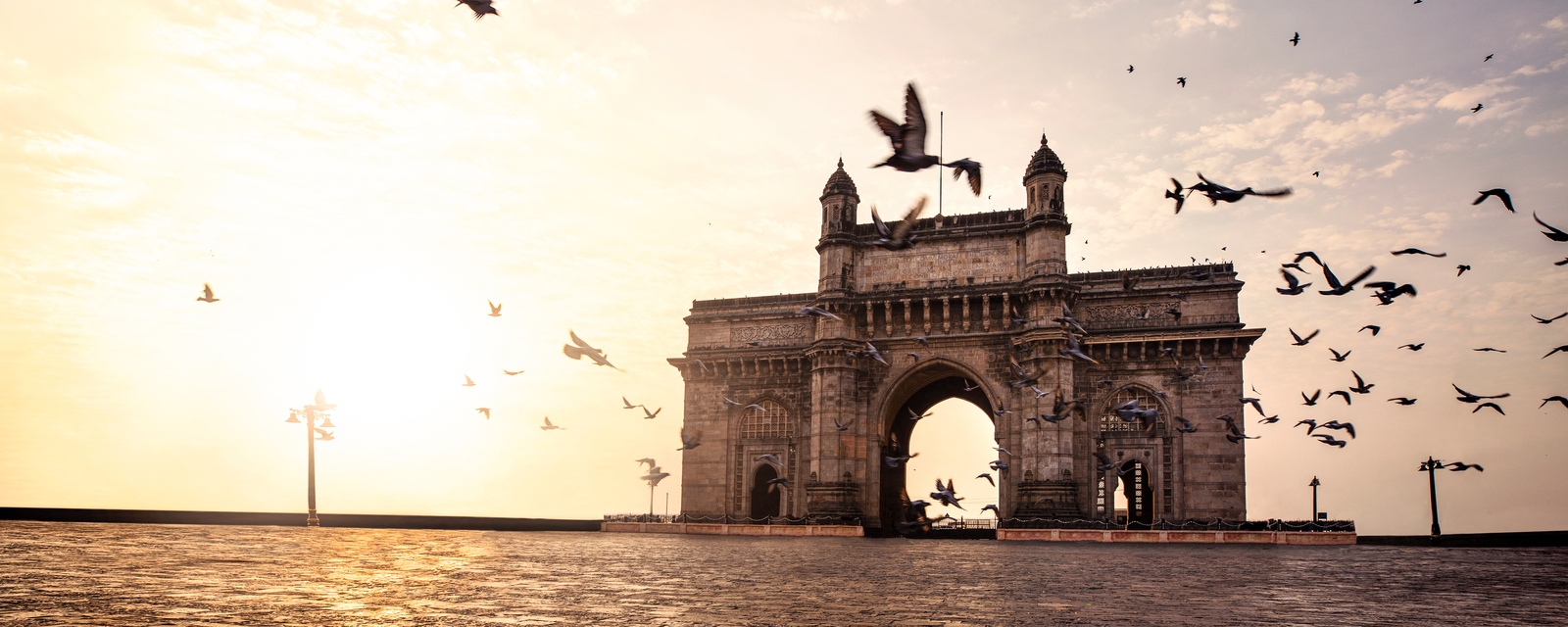
Begin your morning at the iconic Gateway of India. Overlooking the Arabian Sea, it remains one of the city's defining landmarks and a reminder of Mumbai's role as India's historic trading gateway.
Take a slow walk through the surrounding streets of Colaba. The neighbourhood rewards wandering. You will find bookstores, old cinemas, art galleries, and buildings that still carry traces of the city's colonial past.
Step inside Mumbai's iconic railway station
From Colaba, head towards Chhatrapati Shivaji Maharaj Terminus.
The station is more than a transport hub. Its Victorian Gothic architecture, stained glass windows, and carved stonework make it one of the city's most remarkable buildings. Even travellers who arrive with no interest in architecture usually leave impressed.
Nearby, spend some time exploring the lanes of Fort, where old office buildings, Irani cafés, and hidden courtyards reveal a quieter side of Mumbai.
End the day with Mumbai on a plate
No Mumbai itinerary is complete without street food.
Try vada pav from a local stall, followed by pav bhaji dripping with butter and freshly toasted buns. If you still have room, finish with kulfi or falooda.
As evening arrives, walk along Marine Drive and watch the city lights slowly appear along the curve of the coastline known as the Queen's Necklace.
Few introductions to Mumbai are better than this.
Day 2: Markets, Art and Neighbourhoods with Personality
Follow the city through its markets
Mumbai reveals itself best through its markets.
Start your morning at Crawford Market, where fruit vendors, spice sellers, flower merchants, and traders have operated for generations. You will also find a lot of interesting trinkets, antique pieces and other unique gems here at a reasonable price.
The market feels chaotic in the best possible way. Every corner offers another photograph waiting to happen.
Continue towards the nearby lanes of Kalbadevi and Bhuleshwar, where jewellery stores, fabric shops, and temple bells create a sensory overload that somehow feels distinctly Mumbai.
Discover Mumbai's creative side
In the afternoon, make your way to the colourful streets of Kala Ghoda.
This neighbourhood has become the cultural heart of the city, filled with galleries, design stores, heritage buildings, and cafés that invite long conversations over coffee.
If time permits, visit the renowned Chhatrapati Shivaji Maharaj Vastu Sangrahalaya. Its collection spans centuries of Indian art, sculpture, and decorative objects and offers a fascinating glimpse into the region's history.
Eat where Mumbai slows down
For dinner, move towards Bandra.
The neighbourhood feels different from South Mumbai. It is younger, more relaxed, and full of independent cafés and restaurants tucked into leafy streets.
Spend some time exploring the famous murals and sea-facing promenades before settling in for dinner.
If South Mumbai tells the story of where the city came from, Bandra offers a glimpse of where it is heading.
Day 3: Sea Views, Local Legends and One Last Sprint
Begin with a ferry ride
Start your final morning with a ferry to Elephanta Caves.
The journey itself is part of the experience. Fishing boats pass by, the city skyline slowly fades behind you, and the pace changes entirely.
The cave complex dates back centuries and is known for its rock-cut sculptures dedicated to Lord Shiva. The carvings remain one of India's most impressive examples of early cave architecture.
Return to the city for one final neighbourhood walk
Back in Mumbai, spend your afternoon exploring Bandstand and Carter Road.
This is where the city comes to breathe. Families gather by the sea, runners fill the promenade, and conversations continue long after sunset.
Grab a cutting chai from a roadside vendor and simply watch Mumbai happen around you.
End with a meal worth remembering
A good Mumbai itinerary for 3 days deserves a memorable finish.
Seafood restaurants remain a favourite choice, but equally rewarding are old Parsi cafés and traditional Maharashtrian eateries serving dishes such as bombil fry, koli-style seafood, and sol kadhi.
Where to Stay in Mumbai
The right stay can make navigating Mumbai's neighbourhoods, attractions, and dining scene much easier. Club ITC Hotels offers options across the city, whether you're looking for luxury close to the airport or a comfortable base in the suburbs.
For travellers seeking easy airport access and classic luxury, ITC Maratha blends traditional architecture with contemporary comfort. Inspired by the Maratha dynasty, the hotel stands out for its award-winning dining experiences and sustainability credentials as a LEED Platinum and LEED Zero Carbon rated hotel.
Those wanting to stay closer to South and Central Mumbai can consider ITC Grand Central, Mumbai in Parel. Drawing inspiration from old Bombay's Victorian architecture, it combines heritage-inspired interiors with sweeping city views and premium wellness offerings.
If Navi Mumbai is on your itinerary, Fortune Select Exotica, Navi Mumbai offers spacious rooms, modern best-in-class amenities, and convenient access to business hubs and the airport.
For visitors exploring Thane and its surrounding areas, Fortune Park Lake City, Thane provides a comfortable stay with modern amenities, spacious rooms, and a strategic location on the Eastern Express Highway.
Conclusion
Mumbai may move at a relentless pace, but the city has a way of making you slow down. From its historic landmarks and bustling neighbourhoods to the sea-facing promenades and ever-changing skyline, every part of the city reveals a different side.
Three days are enough to experience Mumbai. They are rarely enough to stop thinking about it afterwards.